
 EN
EN
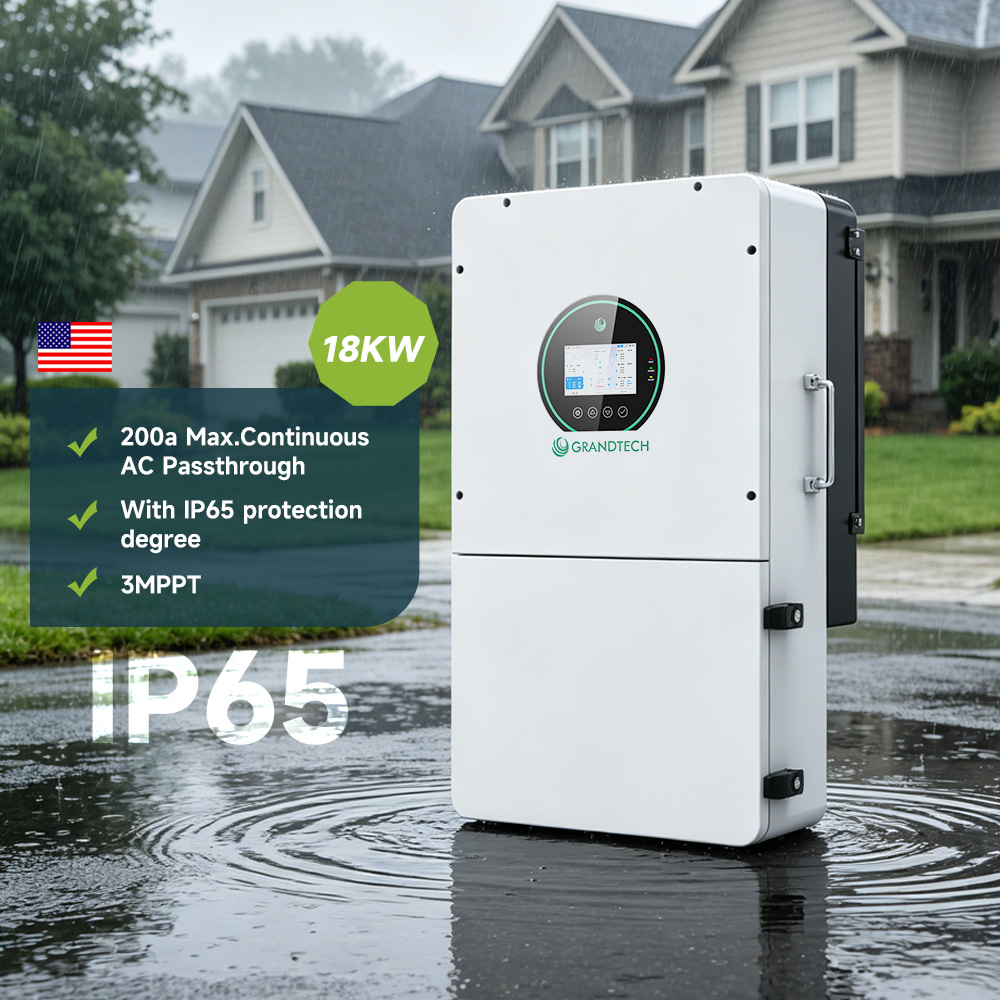
In the United States, most residential electrical systems are split-phase (120/240V). This unique power structure has a direct impact on how solar + storage systems should be designed—especially when selecting a hybrid inverter.
That’s why many installers and engineers recommend 15kW and above hybrid inverter systems for U.S. homes.
⚡ 1. What Is a Split-Phase System (and Why It Matters)
A typical U.S. home uses:
- 120V loads → lights, outlets, small appliances
- 240V loads → air conditioners, ovens, dryers, EV chargers
These two “legs” must stay balanced and stable under load.
? This means the inverter must handle:
- Dual-line output
- High simultaneous load imbalance
- Larger surge demand from 240V appliances
? 2. Why Smaller Inverters Often Struggle
In split-phase homes, loads are not evenly distributed.
Example:
- Left leg: lighting + electronics (low load)
- Right leg: AC + dryer + EV charger (high load)
This creates:
- Phase imbalance stress
- Voltage fluctuation risk
- Early overload shutdown in undersized systems
? This is where smaller systems (10–12kW) often fail under real conditions.
⚡ 3. Why 15kW+ Works Better in Real Homes
A 15kW or 18kW hybrid inverter provides:
✔ Stronger split-phase support
- Better load balancing across both 120V legs
- Stable 240V output under heavy demand
✔ Higher surge capacity
- Handles AC compressor startup
- Supports pump motors and EV charging spikes
✔ More headroom for simultaneous loads
- HVAC + kitchen + EV charger running together
- Less risk of inverter clipping or shutdown
? In real-world usage, headroom matters more than rated power.
? 4. Split-Phase + Solar + Battery = Higher Demand Design
U.S. homes increasingly include:
- Central air conditioning systems
- EV charging (Level 2: 7–11kW)
- Electric water heaters or dryers
- Whole-home backup requirements
This creates a high simultaneous load profile, not a steady one.
? A 15kW+ system ensures:
- No overload during peak hours
- Stable off-grid backup operation
- Better battery discharge efficiency
? 5. The EV Charging Factor (Game Changer)
EV chargers alone can consume:
- 7kW to 11kW continuous load
If combined with:
- Air conditioner (3–5kW)
- Household loads (1–3kW)
? Total demand easily reaches 12–16kW+
This is exactly why:
- 15kW = minimum safe sizing
- 18kW = comfortable operating margin
? 6. System Matching in U.S. Split-Phase Homes
| Home Type | Recommended Inverter |
|---|---|
| Small apartment / low load | 8–12kW |
| Standard U.S. home | 15kW |
| Large home / EV + HVAC heavy | 18kW+ |
? 7. Key Engineering Insight
Split-phase systems are not just about total power—they are about:
- Phase balance stability
- Surge handling capability
- Simultaneous load distribution
? That’s why undersizing leads to real-world instability, even if “the math looks OK on paper”.
? Final Takeaway
In U.S. split-phase homes:
? 15kW is the minimum practical sweet spot
? 18kW is the preferred choice for modern high-load homes
As homes become more electrified (EV + HVAC + battery backup), system sizing is shifting upward—not downward.
Table of Contents
- ⚡ 1. What Is a Split-Phase System (and Why It Matters)
- ? 2. Why Smaller Inverters Often Struggle
- ⚡ 3. Why 15kW+ Works Better in Real Homes
- ? 4. Split-Phase + Solar + Battery = Higher Demand Design
- ? 5. The EV Charging Factor (Game Changer)
- ? 6. System Matching in U.S. Split-Phase Homes
- ? 7. Key Engineering Insight
- ? Final Takeaway
